
The Farmhouse
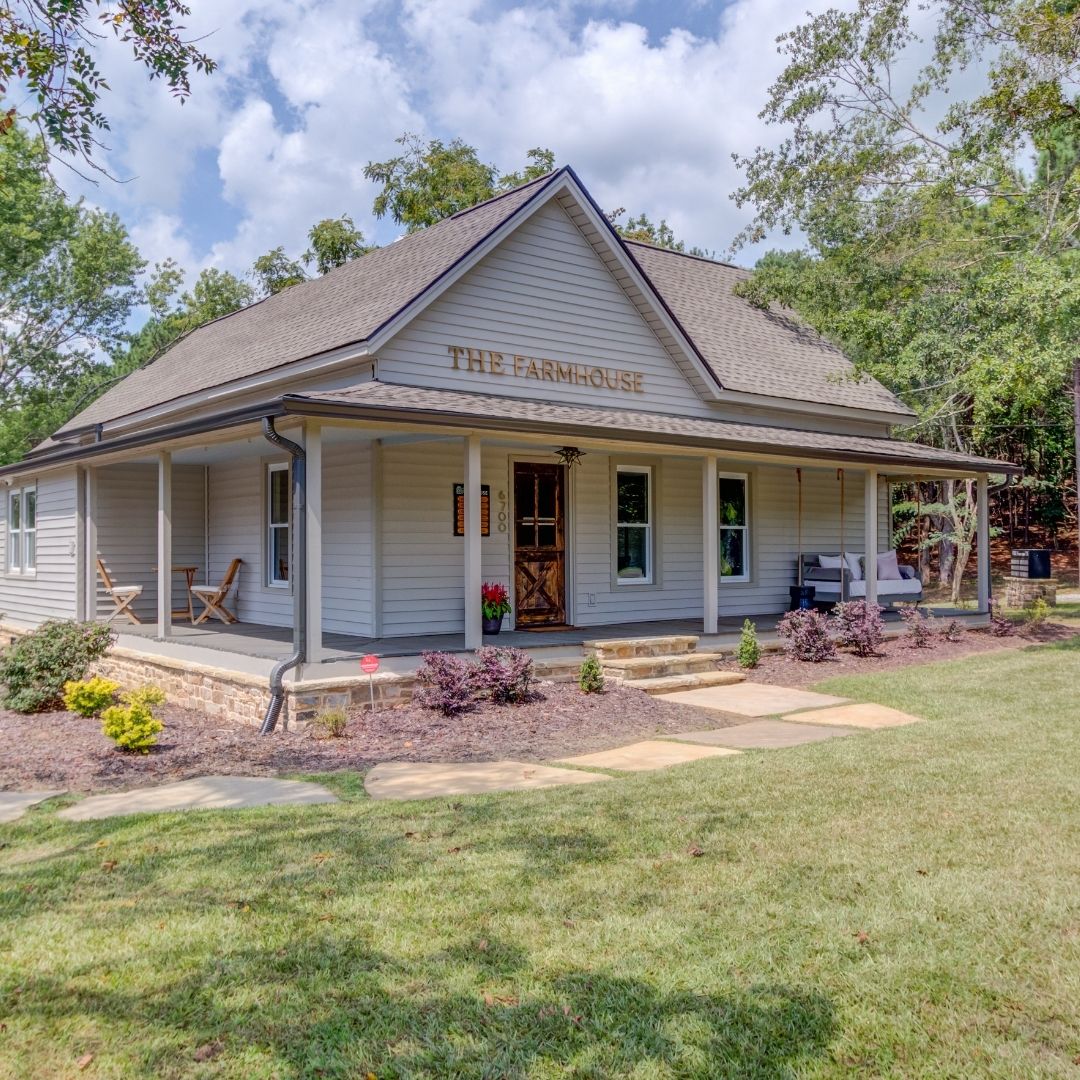
March 28, 2022, I purchased the 1926 farmhouse.
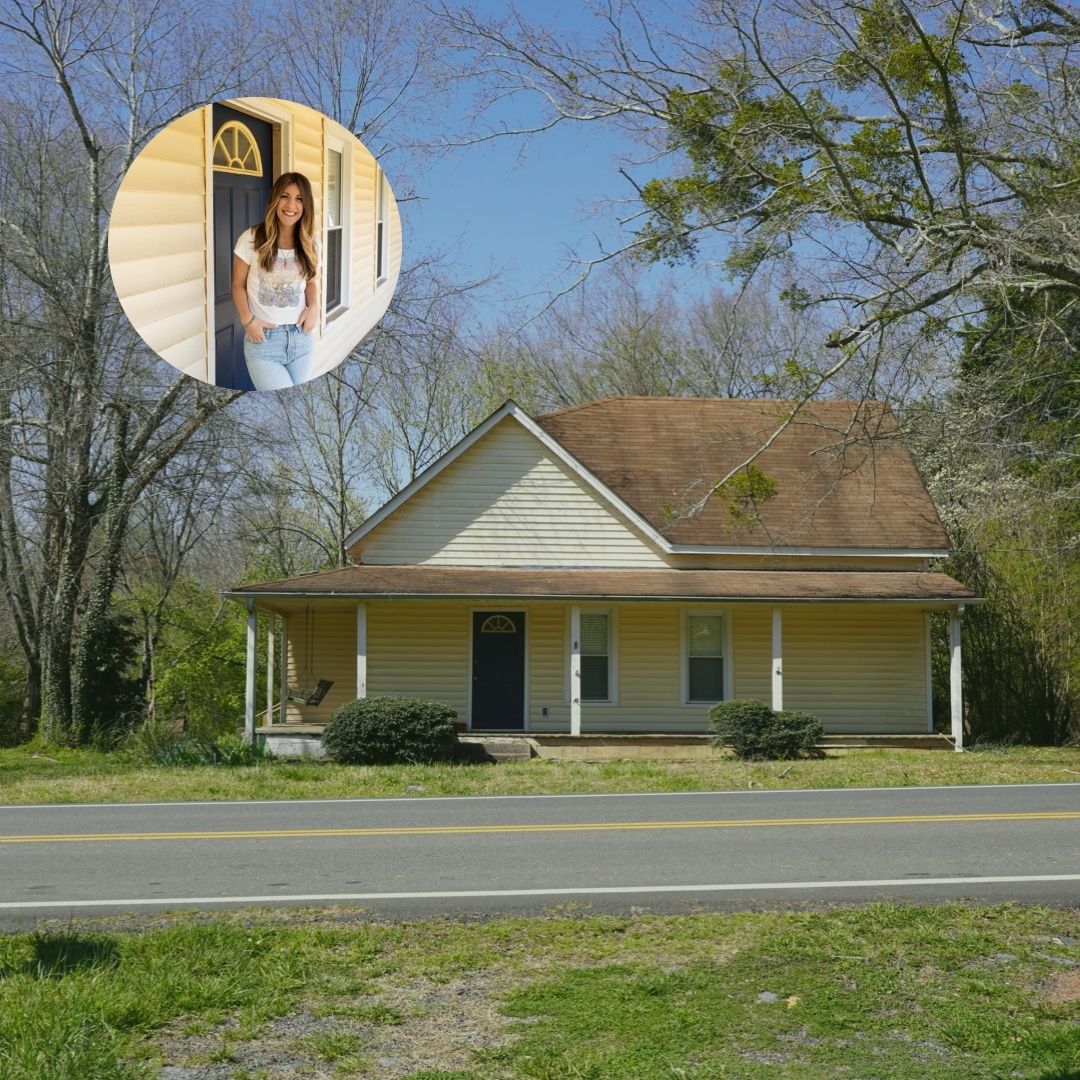
(You can see the full journey in the archived posts — but to say it has been a process would be an understatement.) 4 permits. An addition, a new build and conversions. → All Vision Properties 1926 Posts.
At the time, I already owned the commercial property next door. My plan was practical. Strategic. Logical.
The farmhouse was old. Tired. In rough shape. The original intention was to tear it down and expand commercial development. That was the clean play. The efficient move. And even then, I had no desire to overdevelop — just to use the land wisely. Little by little I found history I could not erase.

It would have been easier.
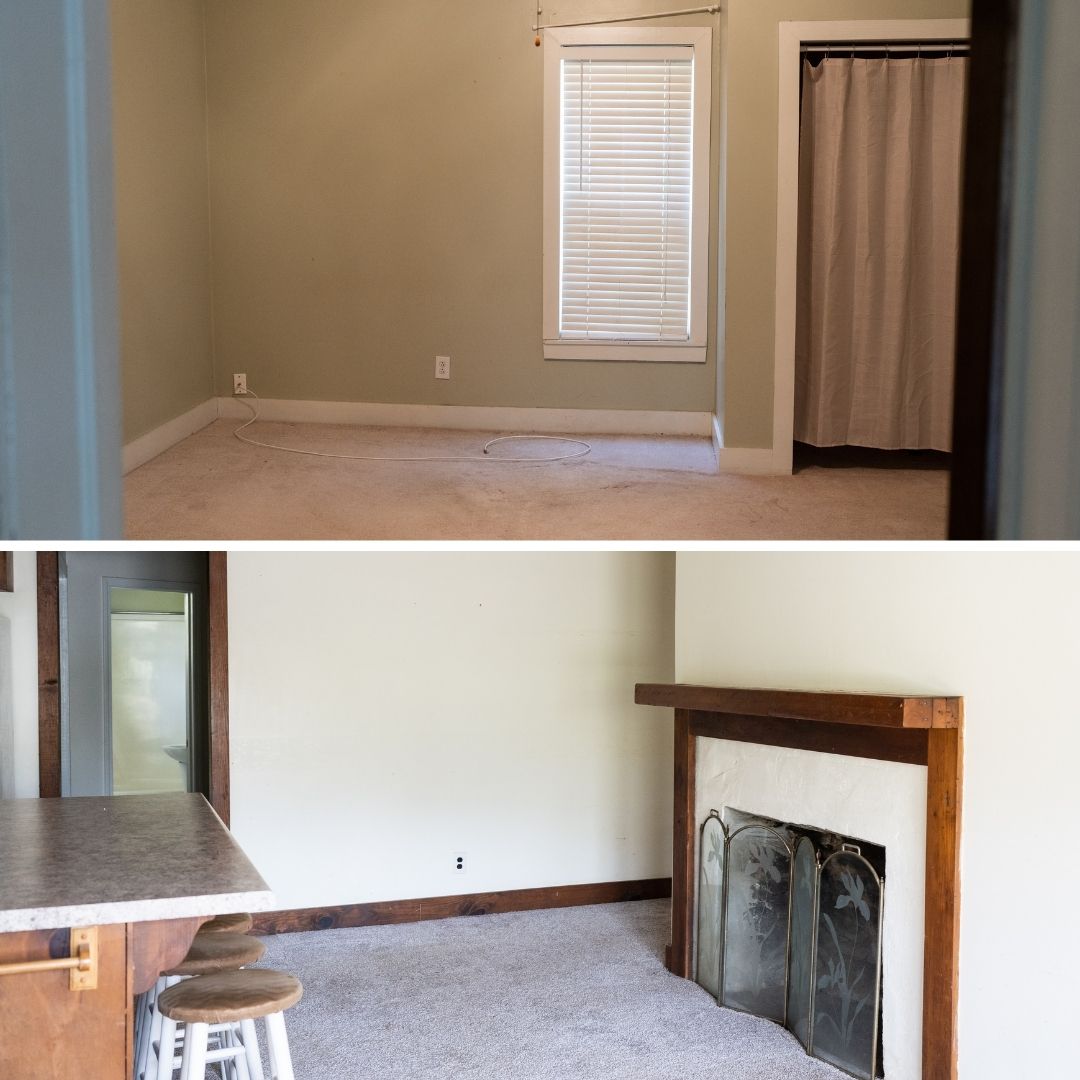
But when I walked through it — really walked through it — something shifted. Peeling back the carpet and uncovering the original hardwood floors felt symbolic. Beneath the wear was craftsmanship. Solid bones. History. Wood beams you couldn’t replicate.
Original doors and trim that had stood for nearly a century. Structure that had carried families, stories, and decades of life in Forsyth County. And in a time when so much is torn down without a second thought, I couldn’t do it.
So I pivoted.
What was supposed to be a teardown became a restoration. What was supposed to be additional acreage became a preservation project. Turned into restoring the farmhouse and the barn creation.
It was not the cheaper route.
It was not the easier route.
But it was the right one.
The Barn Wasn’t Salvageable — So We Reimagined It
Unlike the farmhouse, the original barn simply wasn’t salvageable. We saved what we could — portions of the original barn wood were carefully preserved and will carry forward into future projects — but structurally it was beyond restoration. Instead, we designed a modern barn in its place, one that embraces tall ceilings and open space while still honoring the spirit of what once stood there. The details are what make it special: the copper weathervane at the top, the lighting that balances modern design with a grounded warmth, and the bold black exterior that allows the structure to stand confidently on its own while complementing the historic farmhouse nearby.
Preservation doesn’t always mean recreating the past exactly as it was — sometimes it means honoring what came before while thoughtfully building something new for the next chapter.

So instead of restoring the barn… we reimagined it. On a trip to Nashville, the vision became clearer. The Farmhouse. And then, The Barn. Then evenutally perhaps The Shed or The Greenhouse.
Two structures. Distinct identities. Built to stand alone — separate driveways, separate addresses — yet positioned to operate as one cohesive ecosystem when alignment occurred or as two separte structures if needed. We built new — intentionally designed, commercially compliant, and positioned for long-term use.
This second chapter was harder than the first. Civil engineers. County requirements. Driveway modifications. Landscape buffers. Endless portal updates. The layers no one sees on Instagram. The hard. The unexpected. And to be honest, we did not complete it until we knew who the end user was. Had it been someone needing more office space there was a floor plan created for that. This is where it becomes a bit tough. There are creatives that can invision or there are not. So seeing an empty place for some is hard but I had already killed budgets so I wanted to wait to move any further until alignment happened. And boy did it happen!
I was recently interviewed and asked why it took so long. The answer is layered. And I’m part of that answer. This was my first time converting a residential structure into a commercial project at this scale. Yes there were also some inefficeint people and variables as well. There are always so many layers and reasons that are beyond what everyone else sees.
Here’s where it became strategic: The farmhouse, though sitting on commercial land, was residentially grandfathered in. So we updated and expanded it under residential guidelines first. We built the second structure fully commercially compliant. Then — we initiated the conversion process.
And that process threw the county for a loop. It wasn’t a typical path. It wasn’t the easy path. But it was the right sequence for the long-term vision. For a period of time I even explored keeping it residential.
There were moments I questioned my sanity. There were days I thought, “This would have been simpler if I had just scraped the whole thing.” Again Kristy why can’t you ever just chill. But I beleive this was betowed up on me with purpose and I am so proud of this amazing house!
But restoration requires conviction and I knew it had been laid in my life for a bigger purpose. And I knew I had to keep going. Together, the farmhouse and the new barn would create an ecosystem — not just a property. I reposition them. And what I did not know is repositioned them to be alignment with a health company that changes lives daily.
And in many ways, this project mirrored my own life. There were pivots I didn’t expect. Doors that closed. Others that opened. Circumstances that reshaped the original plan. I believe alignment matters. I believe people and timing intersect exactly where they’re meant to.
For me, faith is part of that. I believe God directs the pivots — closing doors, opening others — shaping a vision far bigger than my own. I’m simply willing to follow it. The ideas, the intuition, the conviction to keep going — I see those as gifts entrusted to me.
When I look at land, I don’t just see square footage or acreage.
I ask:
What does this want to become? What serves the community? What are the stories and history here? What will still matter in ten years? This was never about quick ROI athougth calcualtions and ROI matter. It was about stewardship. Vision. And building something that endures. It was about long-term asset alignment.
In a time when so much is overdeveloped and rushed, I wanted this done right — even if that meant slower. Even if that meant harder.
And yes — my original intent in purchasing the one-acre parcel was tied to a different development plan. But that’s life. We have to be open to pivots. To repositioning the vision. To allowing something better to emerge. And we’re not done here yet.
When the Right Tenant Finds the Right Property
Almost a decade ago, I met Kristin Oja while speaking alongside her at a conference. Long before this property ever existed in my life, I respected what she was building. Her energy contagious. I’m pretty intuitive. I remember watching her, sensing her wheels spinning the way mine do — always thinking bigger, always connecting dots. Over the years, we stayed loosely connected. I followed her journey. Cheered her growth. She is a gift to the people who know her — and she is building something significant and helping people along the way.

Fast forward to the fall. I received a text: “Kristy… is that your farmhouse on LoopNet?” And just like that — alignment.
STAT Wellness chose the restored 1926 farmhouse as their Cumming location. The farmhouse now serves as their medical space. The barn — rebuilt with intention — has become the home for movement and performance training.
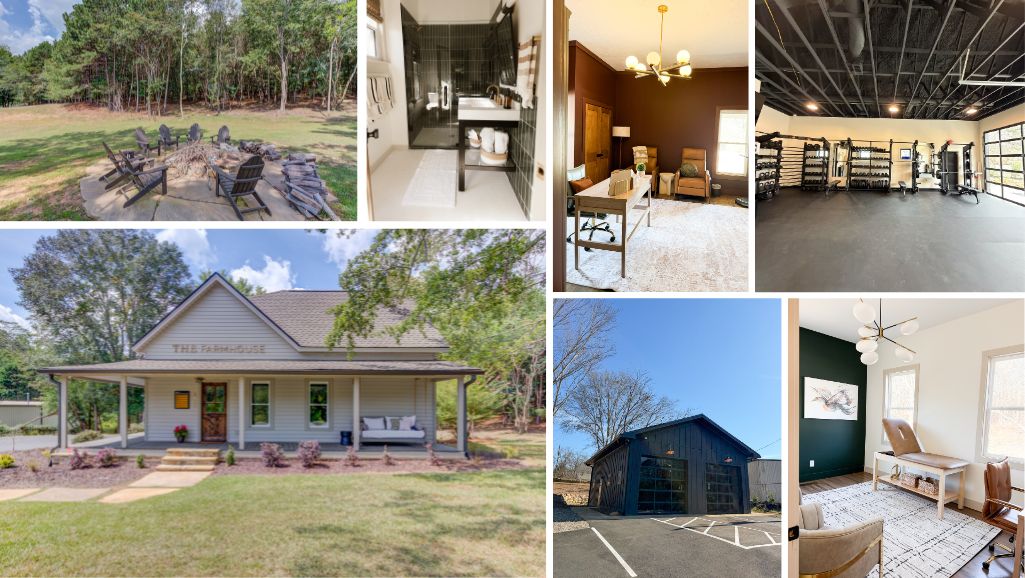
It feels poetic. I don’t believe things like that happen by chance. Natural medicine inside historic walls. Performance training inside a reimagined barn.


Female entrepreneurship layered into preserved land.
None of it feels accidental. What began as a preservation project became a home for whole-body care — in a community I grew up in and deeply love.
And I write this knowing how many people understand what this project required. The architects. The engineers. The contractors. The county officials. The long nights. The financial stretch. The emotional weight.
Timing matters. Alignment matters. And sometimes things take exactly as long as they’re supposed to. Forsyth County is changing rapidly. Development is everywhere. Growth is inevitable. But growth doesn’t have to erase history. It can honor it.
This property carries stories. Gold was discovered here during the Great Depression. An original 1926 painting still hangs on the wall. This was once the home of Luther Heard and his family — where they learned, gathered, ate, and found refuge. When you walk this land, you can feel it. It is special. And it was worth it all.
Now it is a space where others will come to feel optimal. To heal. To grow stronger. To take care of themselves inside walls that have held generations before them.
This project stretched me. Financially. Logistically. Emotionally. It also refined me. It clarified that my work isn’t just about real estate.
It’s about:
• Seeing potential others overlook
• Preserving what deserves to stay
• Repositioning assets with intention
• Building environments that outlive trends
• Honoring the stories already written into the land
Vision Properties 1926 is not just an address. It’s proof that restoration and strategy can coexist. That history and innovation can share ground. That when you follow conviction — even when it’s expensive — it can create something far greater than the original plan.
There are so many people who made this possible. Cindy Mills, former commissioner, who saw the early vision. The restoration and the meaning of saving pieces. Mendy Moore, current commissioner and Jennfier who I call her sidekick, who understood alignment and long-term value. My parents, Mark and Patricia Gayton — entrepreneurs who taught me not to quit, even when something feels too big through action of their own. Not going to lie when my Dad saw this home before I bought he told me not to buy it, lol, perhaps that explains a little of my personalility though because clearly I did not listen. 😉 Brandon Carico — my partner in business and life — who built the addition and the barn alongside me through Hummingbird Contracting Co.
Gene Barrington, the architect who understood my vision early and helped to articulate it, when it was still forming and even continues to do so. And countless subcontractors and tradespeople who poured their talent into every beam, wall, and detail. It truly was a project touched by many hands.
And now it the home to STAT Wellness Cumming. We will celebrate the Grand Opening and 100-Year Celebration on March 14th from 3–5 PM. If you want to stop by, learn more about STAT Wellness, and experience this 1926 farmhouse for yourself — we would love to see you.
Because this was never just a project. It was a calling.
— Kristy
Learn more about STAT Wellness
→ STATwellness.com
Explore the historic property
→ VisionProperties1926.com
Interested in real estate, branding, or bringing a vision to life?
→ TheHummingbirdHomes.com